
Latest Treatment for Varicose Veins: Advances You Should Know
At Karishma Vein Clinic, we are committed to offering the best and latest treatment for varicose veins by staying up to date with innovations and research. In this article, we present the latest treatment for varicose veins, including in legs, and also touch on helpful vitamins for varicose veins to support vascular health.
Varicose veins affect many people, often causing discomfort, swelling, and cosmetic concerns. Over time, treatments have evolved from invasive surgery to minimally invasive and even non‑invasive options. Here’s a deep dive into what’s new, what works, and how Karishma Vein Clinic applies these advances to deliver safer, more effective care.
What is the Latest Treatment for Varicose Veins?
When you ask “what is the latest treatment for varicose veins,” you’re really asking what technologies and techniques represent the frontier of care. Recent innovations Endovenous laser ablation (EVLA / endovenous laser therapy) with new wavelengths.
These techniques minimize trauma, reduce pain, accelerate recovery, and often allow same‑day return to daily life.
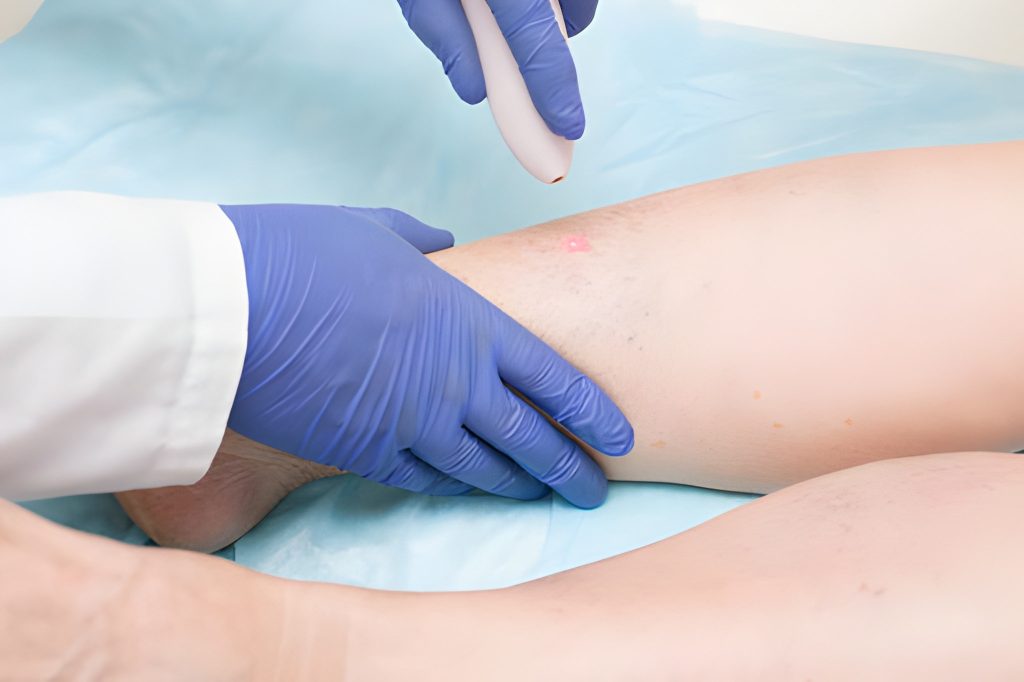
From Legacy to Innovation: How Treatments Have Evolved
Earlier, varicose vein treatment often meant vein stripping surgery, a hospital stay, general anesthesia, and long recovery. Over time, compression therapy and ligation were common. Today’s latest treatment for varicose veins in legs largely bypasses those invasive methods in favor of ambulatory, image‑guided, and tissue‑preserving choices.
Top Cutting‑Edge Treatments in Use Today
1. Endovenous Laser Ablation with Improved Laser Technology
Lasers using optimized wavelengths (e.g. 1,470 nm) are better targeted, cause less collateral damage, and seal the faulty veins from the inside. The new fibers are thinner, more flexible, and reduce procedural discomfort.
2. Next‑Generation Radiofrequency Ablation
Modern RFA catheters combine better heat control, cooling features, and segmental energy delivery. These refinements lower post‐procedural pain and reduce the need for numbing agents.
3. VenaSeal (Glue) Technology
VenaSeal is an adhesive that closes the vein without the use of heat or energy. It is especially appealing for patients who wish to avoid thermal injury or anesthesia. Because the glue sets quickly, recovery is often very rapid.
4. Mechanochemical Ablation (MOCA)
MOCA uses a combination of mechanical disruption plus chemical sclerosant injection without heat. This method reduces the risk of nerve damage and bruising and offers quicker return to normal activities.
5. Ultrasound‑Guided Foam Sclerotherapy
Foam or microfoam sclerosants delivered under ultrasound guidance allow treatment of smaller branches and residual veins. It’s a useful supplement to other treatments or a stand‑alone option for less severe varicosities.
6. Non‑Thermal, Non‑Tumescent (NTNT) Techniques
These techniques avoid injecting tumescent anesthesia fluid and delivering heat. Using adhesives or chemical means, they reduce procedure time and post‑procedural swelling.
7. Hybrid and Adjunct Approaches
Sometimes, combining treatments (e.g. RFA + sclerotherapy) or using ambulatory micro‑techniques yields better coverage of all affected veins while retaining minimally invasive benefits.
Why These Advances Matter
- Faster recovery and often same‑day normal activity
- Less pain, bruising, or swelling
- Lower risk of nerve injury or skin burns
- Better cosmetic finish and reduced scarring
Effective for a wider spectrum of vein sizes and patterns
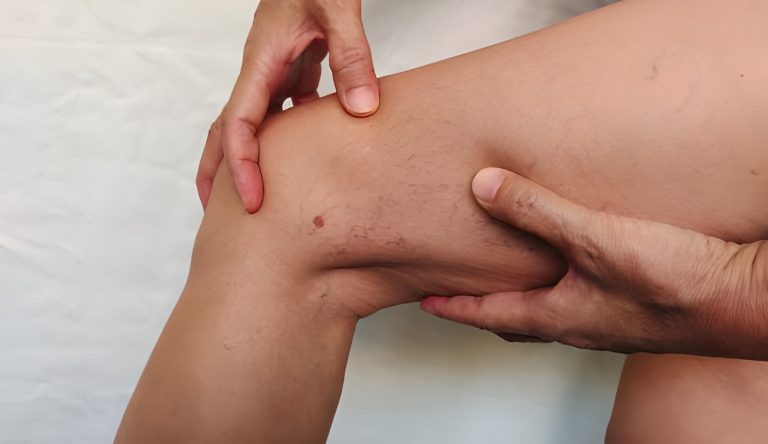
Supporting Varicose Vein Health: Vitamins & Lifestyle
While these treatments correct the problem structurally, vitamins for varicose veins can support vein health and symptom control:
- Vitamin C: supports collagen and vessel wall strength
- Vitamin E: antioxidant effect, helps microcirculation
- Bioflavonoids (e.g. diosmin, hesperidin): often combined in supplements to improve vein tone
- Vitamin K2: may support vascular elasticity
- Omega‑3 fatty acids: reduce inflammation and support circulation
Always discuss supplementation with a vascular specialist, especially if you have bleeding risks or take anticoagulants.
Also Read – Best food habits for varicose veins
How Karishma Vein Clinic Uses Advanced Techniques
At Karishma Vein Clinic, our protocol begins with a high‑resolution duplex ultrasound. We customize treatment plans using the newest options best suited to each patient’s vein anatomy and symptoms. We may choose a non‑thermal adhesive, combine with sclerotherapy, or use laser / RFA, depending on what yields the best outcomes with minimized recovery time.
Choosing the Right Treatment for You
When considering the latest treatment for varicose veins, keep in mind:
- The size, location, and pattern of your varicose veins
- Symptom severity (ache, heaviness, swelling, skin changes)
- Your health profile (risk of nerve injury, skin sensitivity)
- Recovery expectations and downtime tolerance
- Clinic and physician experience with the newest modalities
Always ask your vascular specialist which of these cutting‑edge options they perform regularly and what outcomes they’ve achieved.
Frequently Asked Questions
The “best” treatment depends on your vein anatomy, symptoms, and health factors. Non‑thermal options, glue (VenaSeal), MOCA, and modern laser or RFA are among the top choices today.
Non‑thermal adhesive (VenaSeal), MOCA, and optimized wavelength laser / RFA devices are among the latest approaches for leg varicosities.
Vitamins like C, E, K2, and bioflavonoids may help support vein health and relieve mild symptoms but cannot replace structural interventions.
Yes. Many patients return to normal daily activity within a day or two. Recovery is significantly faster compared to traditional surgery.
Yes, many advanced techniques are now suitable for larger veins or more complex patterns. Hybrid or combined approaches may be used where single treatment isn’t enough.