
DVT vs Varicose Veins: How Do They Differ?
Have you noticed bulging veins on your legs and wondered if it’s something serious? Many people confuse varicose veins with deep vein thrombosis (DVT), but understanding the difference between DVT vs varicose veins is crucial for early detection and proper treatment.
While both conditions affect the veins, their causes, risks, and treatment approaches differ significantly. At Karishma Vein Clinic, we often encounter patients unsure whether their symptoms indicate harmless varicose veins or a potentially life-threatening case of DVT. Let us clear the confusion with this informational blog.
What Are Varicose Veins?
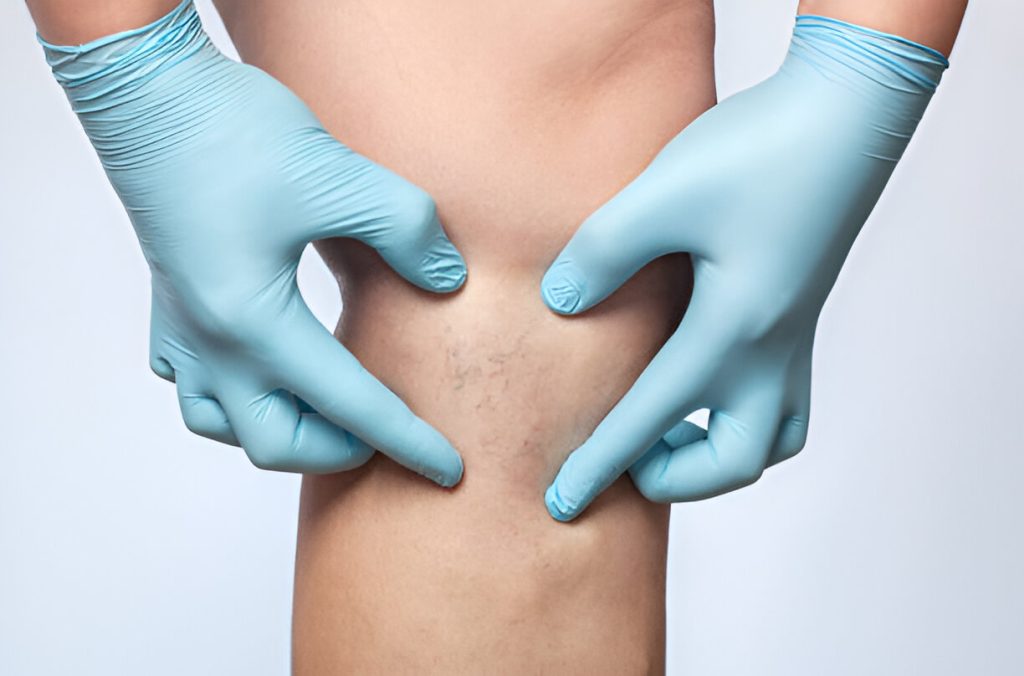
Varicose veins are enlarged, twisted veins that appear bluish or purplish, usually around the legs. They usually develop due to damage to one-way valves in the veins, responsible for pushing blood back to the heart. This results in pooling of blood in the veins, making them stretch and visible on the skin surface.
Common risk factors which can cause varicose veins include:
Prolonged standing or sitting
Family history of varicose veins
Pregnancy
Obesity
Previous DVT
Although varicose veins may look unpleasant and sometimes cause aching or heaviness, they are typically not life-threatening. However, when left untreated, they can worsen, leading to:
Skin discoloration
Swelling
Inflammation
Ulcer formation
Rarely, bleeding from ruptured veins
At this stage, medical intervention becomes necessary to prevent complications.
What Is Deep Vein Thrombosis (DVT)?
Unlike varicose veins, DVT affects the deep veins, usually in the thighs or lower legs, and involves the formation of blood clots (thrombi) that obstruct normal blood flow.
What makes DVT dangerous is its silent progression. A clot can break off, travel through the bloodstream, and block arteries in the lungs, leading to pulmonary embolism (PE), a life-threatening emergency.
Symptoms of DVT may include:
- Sudden swelling in one leg
- Warmth or redness
- Pain along with tenderness in calf region
- Skin discoloration
Because these symptoms can mimic those of varicose veins or a leg sprain, timely diagnosis using imaging and blood tests is essential.
Also Read – Varicose Veins Diagnosis and Treatment
DVT vs Varicose Veins
When it comes to leg pain or swelling, knowing the facts can make all the difference.
Feature | Varicose Veins | DVT |
Location | Superficial veins (near skin) | Deep veins (inside the leg) |
Visibilty | Clearly visible, bulging veins | Not visible; internal condition |
Symptoms | Aching, heaviness, skin changes | Sudden swelling, redness, pain |
Risk of embolism | Very rare | High (can lead to pulmonary embolism) |
Primary Concern | Cosmetic or discomfort | Life-threatening if untreated |
Treatment | Lifestyle changes, compression, laser | Blood thinners, clot removal |
Though both conditions involve veins and may cause leg pain or swelling, the severity and consequences are vastly different. Understanding these differences can save lives.
Is There a Link Between Deep Vein Thrombosis vs Varicose Veins
Varicose veins vs DVT: There is a potential connection between them.
- People with varicose veins may have poor vein function, which slows blood flow and increases the risk of clot formation.
- In some cases, people develop varicose veins after recovering from DVT, known as secondary varicose veins.
Both conditions share similar risk factors, including obesity and pregnancy.
Understanding Deep Vein Thrombosis (DVT)
DVT can be a serious condition characterized by blood clot formation inside the deeper veins, usually in the legs.
Several factors can lead to the development of deep vein thrombosis (DVT), including pregnancy and a lack of physical activity. Suppose you have varicose veins and experience new symptoms such as swelling, pain, or warmth in one leg. It becomes crucial to consult a vascular specialist to rule out DVT.
Prevention and Treatment for DVT
To help prevent deep vein thrombosis (DVT), consider the following measures:
- Stay active during long periods of travel or while on bed rest.
- Regularly wear compression stockings.
- Maintain a healthy weight.
- Stay hydrated and avoid smoking.
- If you are at high risk, take blood thinners as prescribed by your doctor.
For treating DVT, commonly used approaches include:
- Anticoagulant medications (blood thinners) to prevent the growth of clots.
- Compression therapy to reduce swelling.
- In severe cases, minimally invasive clot removal procedures such as catheter-directed thrombolysis.
Managing Varicose Veins
Varicose veins can be managed by:
- Regular leg elevation and exercise
- Compression stockings
- Minimal invasive treatments like:
- Endovenous laser treatment
- Radiofrequency ablation
- Sclerotherapy
Early Diagnosis and Expert Care by Dr. Suresh Sanghavi at Karishma Vein Clinic
Varicose veins can be a significant sign of a deeper problem or be confused with something much more serious, like DVT. Early detection, especially for DVT, is key to avoiding life-threatening complications. Understanding DVT vs varicose veins symptoms can help you recognize the warning signs early.
At Karishma Vein Clinic, under the expert care of Dr. Suresh Sanghavi, we specialize in diagnosing and treating both varicose veins and DVT with precision and care.
If you have visible varicose veins or suspect symptoms of DVT, schedule a consultation today to get clarity and the proper care.